

Transform Your Space: The Impact of Visualizing Clutter
Key Takeaways
- Visualizing clutter can highlight hidden issues in your home.
- Photography creates an objective view of your space.
- This method encourages a more organized home environment.
- Many in Southeast Asia are adopting this technique to improve living spaces.
- It’s a simple yet effective approach for busy individuals.
Understanding the Role of Visualization in Decluttering
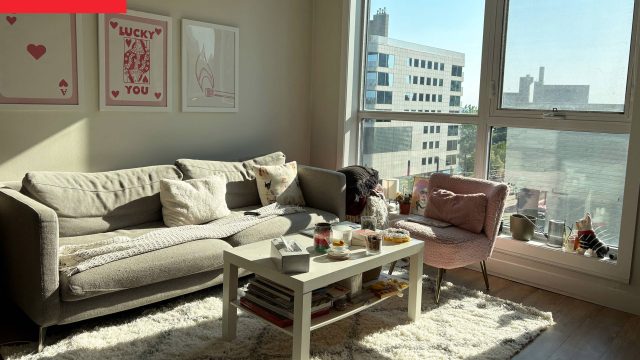
In our fast-paced lives, clutter can accumulate almost unnoticed, becoming a source of stress and distraction. A novel approach to combat this overwhelming problem is through visualization, particularly by taking photographs of your home. By capturing your space on camera, you can gain a unique perspective, making it easier to identify areas that require decluttering.
As people in Southeast Asia, especially in bustling cities like Jakarta, Bali, and Surabaya, seek innovative solutions to enhance their living environments, the visual approach to home organization is gaining popularity. This method allows individuals to assess their belongings critically, making informed decisions about what to keep and what to discard.
How to Implement This Visualization Technique
Embarking on the journey of decluttering through visualization is surprisingly easy. Here’s a step-by-step guide to help you get started:
Step 1: Capture Your Space
Use your smartphone or camera to take pictures of each room in your home. Consider different angles and focus on areas that often go unnoticed, such as closets, drawers, and surfaces cluttered with miscellaneous items.
Step 2: Review the Photos
Once you have a collection of photos, take some time to review them. Look for patterns of clutter that you may not have noticed before. Are there specific areas that consistently gather items? This visual inventory helps you understand the scope of your clutter.
Step 3: Identify and Prioritize
Next, identify the most cluttered areas in your photos. Prioritize these spaces for decluttering. Make a plan to tackle one area at a time, setting realistic goals. For instance, you might decide to focus on a single room each week.
Step 4: Declutter
Now comes the fun part—decluttering! Use your photographs as a guide and start sorting through items. Keep, donate, or discard items based on your needs and the space you want to create. Remember, it’s crucial to be honest with yourself during this process.
The Psychological Benefits of Visual Decluttering
Visualizing your clutter isn’t just about creating a tidier space; it also has profound psychological benefits. Reducing clutter can lead to a clearer mind, decreased anxiety, and a more peaceful living environment. Many individuals in the Indonesian market report feeling more relaxed and productive after decluttering their spaces.
This method aligns with the growing trend of minimalism in Indonesia and across Southeast Asia, as more people realize the benefits of living with less. In a society increasingly influenced by fast fashion and consumerism, adopting a minimalist approach can help break the cycle of perpetual accumulation.
Conclusion: A Clear Space Equals a Clear Mind
In summary, visualizing your clutter through photography can be an effective strategy for achieving a more organized and serene living space. By capturing images of your environment, you can gain valuable insights into your clutter habits and make informed decisions about what to keep. Whether you live in Jakarta, Bali, or Surabaya, this method is applicable to anyone looking to enhance their home environment. Now is the perfect time to embrace this creative approach to decluttering and experience the benefits of a more organized life.
