

Transforming Unconventional Spaces: Innovative Design Ideas for Small Areas
Key Takeaways
- Utilizing multi-functional furniture can maximize the use of space.
- Strategic lighting enhances the ambiance of unconventional rooms.
- Color schemes can visually alter the perception of space.
- Incorporate vertical storage to free up floor space.
- Emphasizing layout can create flow in awkwardly shaped areas.
Understanding the Challenges of Oddly Shaped Spaces
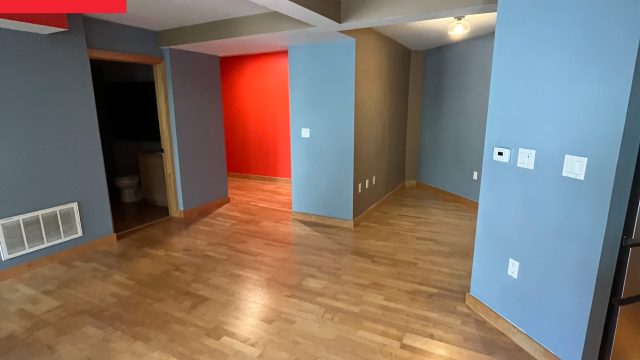
In today's housing market, especially in urban areas like Jakarta and Surabaya, many homeowners are faced with unique design challenges. Particularly in Southeast Asia, older buildings being converted into modern living spaces often showcase unconventional shapes and sizes. For instance, a recent case study from a Madison, Wisconsin condo emphasizes how a one-bedroom unit with an angular bonus room posed unique challenges for design. This scenario is increasingly common as more people seek homes in vibrant urban settings.
Innovative Design Solutions for Functionality
1. Multi-Functional Furniture
Investing in multi-functional furniture is crucial for maximizing the usability of odd-shaped rooms. Consider a sofa bed that serves as both seating and sleeping space. Ottomans with storage compartments are also excellent for tucking away miscellaneous items while providing extra seating when needed. These versatile pieces can significantly enhance the functionality of unconventional layouts, making them ideal for spaces that need to serve multiple purposes.
2. Creative Layouts
When dealing with an oddly shaped room, layout is everything. Rearranging furniture to create a flow can transform the space's usability. For example, placing a small dining table in a corner can open up the room, allowing for easier movement. Similarly, using rugs to delineate areas can help define spaces, turning a chaotic room into a structured and inviting environment.
3. Strategic Lighting Techniques
Lighting can dramatically change the atmosphere of a space. In areas with angular walls or peculiar corners, employing various lighting techniques can enhance the area’s appeal. Consider using floor lamps that direct light upwards to create the illusion of height or wall sconces to brighten darker corners. Layering different light sources, such as ambient and task lighting, can also help in making these areas feel more welcoming.
Color Schemes and Décor
The Impact of Colors
The right color palette is essential when transforming oddly shaped areas. Light colors can make a room feel larger, while darker hues can create a cozy atmosphere. Using accent walls in bold colors can also draw attention to certain features of the room, minimizing the impact of awkward angles. Incorporating artwork or mirrors can further enhance the visual appeal, making spaces feel curated and intentional.
Decorating with Vertical Storage
In smaller, oddly shaped rooms, vertical storage is key. Shelving units that reach the ceiling can utilize space that would otherwise be wasted. Wall-mounted cabinets or hanging plants can also add both storage and aesthetic appeal. In bustling cities like Bali, where space is at a premium, these solutions are not just practical; they are essential.
Conclusion: Embracing the Unconventional
As urban living continues to evolve, the transformation of oddly shaped spaces into functional, beautiful living areas has become more pertinent than ever. By leveraging multi-functional furniture, strategic layouts, thoughtful lighting, and color schemes, homeowners can embrace the unique character of their spaces. So whether tackling a small apartment in the heart of Jakarta or reimagining a condo in Bali, these innovative design strategies can turn any unconventional area into a spacious sanctuary. Don't shy away from challenges; instead, view them as opportunities for creativity and innovation in home design.
