

Transforming Spaces: The Rise of Modern Living Room Designs
Key Takeaways
- Modern living room designs focus on practicality and aesthetics.
- Personalized spaces improve daily family life.
- Emerging trends are shaping Southeast Asian interiors.
- Functionality takes precedence over traditional elements.
- Investing in quality materials enhances overall design impact.
The Shift in Living Room Design
The modern living room has undergone a considerable transformation, shifting from traditional setups to designs that prioritize functionality and comfort. This evolution reflects societal changes, especially in urban areas like Jakarta and Bali, where families often seek more efficient use of space. With increased digitalization and remote work, the living room has now become more than just a social hub—it is a multi-functional space that caters to various activities, from work to leisure.
Understanding Modern Design Philosophy
Interior designers are now engaging clients in deeper conversations to understand their lifestyles better. As Kendra Joseph, founder of Rise Up Home, illustrates, design starts with understanding daily routines, especially for families with children. Questions about life rhythms help shape spaces that are not only aesthetically pleasing but also functional. This approach aligns with the needs of modern families who value both style and practicality in their homes.
Trends Influencing the Modern Living Room
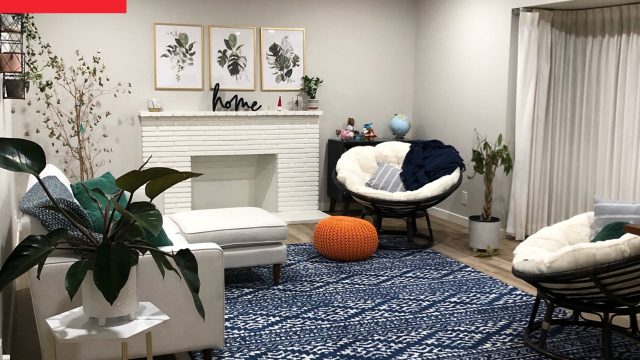
Several trends are currently shaping the landscape of modern living room designs. In the Southeast Asian context, particularly in Indonesia, the integration of culturally-inspired elements with contemporary styles is gaining traction. Here are some notable trends:
- Minimalism: Clean lines and decluttered spaces enhance the feeling of openness.
- Multi-functionality: Furniture that serves multiple purposes is ideal for smaller apartments.
- Natural Materials: Wood, stone, and textiles from local artisans bring warmth to spaces.
- Smart Technology: Incorporating tech solutions for lighting and climate control increases comfort.
Personalization in Design
Today’s living room designs emphasize personalization. Homeowners are encouraged to select décor that resonates with their individual tastes and lifestyles. This could mean showcasing family heirlooms or integrating local art pieces that reflect the rich culture of Indonesia. Such personalization not only makes a space unique but also creates a sense of belonging and comfort for the inhabitants.
Conclusion: The Future of Living Room Designs
The future of living room design lies in the balance between aesthetics and functionality. As families navigate the complexities of modern life, their living spaces must adapt to meet their changing needs. For those in Southeast Asia, the focus remains on blending contemporary designs with cultural elements, ensuring that homes reflect both modern influences and local heritage.
As we continue to embrace these design trends, it’s crucial to stay informed about how they influence the overall living experience. Investing in quality materials and thoughtful design will not only enhance daily life but also increase property value in an ever-evolving market.
