

Transforming Small Spaces: Innovative Solutions for Compact Kitchens
Key Takeaways
- Small kitchens can be highly functional and stylish.
- Innovative design maximizes space without expansion.
- Smart storage solutions are essential for compact areas.
- Lighting significantly enhances the perception of space.
- Durable materials can improve kitchen longevity.
Rethinking Small Kitchen Spaces
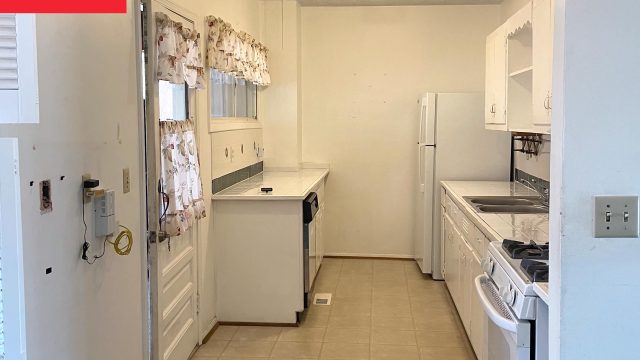
As urban living spaces shrink, especially in bustling cities like Jakarta and Surabaya, the need for efficient kitchen designs has never been more pressing. These small environments often require creative solutions to ensure they remain both functional and aesthetically pleasing. Recent trends in kitchen design highlight how even a 200-square-foot kitchen can be transformed into a culinary haven without any structural expansion. One homeowner, Bri Williams, recently showcased how she revitalized her compact kitchen, demonstrating that size need not dictate style or usability.
Strategic Layouts for Maximum Efficiency
When dealing with limited square footage, the layout becomes crucial. U-shaped and galley kitchens are popular choices, as they allow for efficient workflows while minimizing wasted space. Designers often recommend incorporating multifunctional elements, such as islands that serve as both prep areas and dining spots, to maximize utility in confined environments.
Smart Storage Solutions
Effective storage is the backbone of any small kitchen. By utilizing vertical space through shelving and cabinets that reach the ceiling, homeowners can store kitchen essentials without crowding countertops. Drawer dividers and pull-out cabinets further enhance accessibility, ensuring that every inch is put to good use. Additionally, the integration of under-sink storage and corner cabinets can significantly increase available space.
Utilizing Light and Color
One of the most impactful ways to create an illusion of space in compact kitchens is through smart lighting choices. Natural light is ideal, but in its absence, layered lighting solutions can brighten up even the smallest areas. Pendant lights over prep spaces, under-cabinet lighting, and strategically placed fixtures work together to enhance visibility and warmth.
Choosing the Right Color Palette
Color choice is also vital in small kitchens. Lighter hues such as whites and pastels can make a space feel open and airy, while darker shades can create a cozy atmosphere if used judiciously. Creating a cohesive color scheme with complementary accents can help in elevating the overall aesthetic without overwhelming the senses.
Durability Meets Design
In addition to aesthetics, the selection of materials plays a significant role in a kitchen's long-term functionality. Using durable surfaces such as quartz or granite can withstand daily wear and tear while maintaining their beauty. Furthermore, incorporating easy-to-clean finishes ensures that the kitchen remains inviting and practical.
Trends in Sustainable Design
As environmental awareness grows, more homeowners are looking for sustainable solutions that do not compromise on style. Recycled materials, energy-efficient appliances, and water-saving fixtures are increasingly becoming standard in modern kitchens. This trend is particularly evident in Southeast Asia, where consumers are becoming more conscious of their ecological footprint.
Conclusion
Revamping a small kitchen requires a thoughtful approach, blending functionality with modern design principles. Homeowners can significantly enhance their culinary spaces by maximizing space, incorporating smart storage, and emphasizing lighting and color. As urban living continues to evolve, the trends and solutions found in compact kitchen designs will remain relevant, promoting not just efficiency but also a sense of style and comfort.
