Transforming Small Spaces: A Designer's Guide to Functional Living
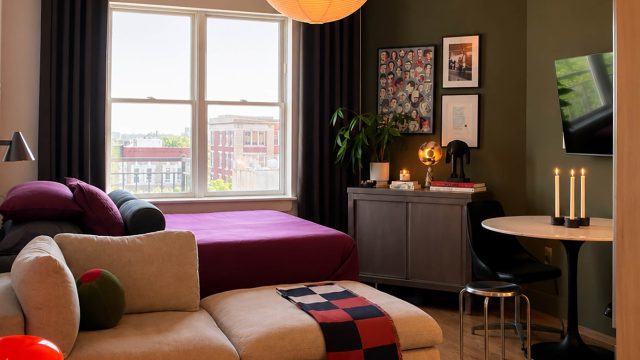
Key Takeaways
- Smart design can transform any small space into a functional home.
- Multi-purpose furniture is key to maximizing utility.
- Colors and lighting can create the illusion of more space.
- Strategic organization can enhance livability.
- Design trends are increasingly focused on minimalist aesthetics.
Transforming Small Spaces: The Now Trend
As urban living continues to rise, especially in bustling regions like Southeast Asia—particularly in cities such as Jakarta, Surabaya, and Bali—designing functional small spaces has become more crucial than ever. With space often at a premium, homeowners and renters alike are seeking ways to make the most of their limited square footage. This article delves into recent design innovations that maximize utility and aesthetic appeal within small areas.
Creating Functional Zones
One of the most effective strategies in small space design is the concept of functional zoning. Interior designers are now adept at creating distinct areas that serve various purposes all within a single room. For example, a studio apartment can effectively incorporate an entryway, a living area, a workspace, and a sleeping area without feeling cramped. This approach not only enhances practical use but also nurtures a sense of organization and flow.
Smart Furniture Choices
Choosing the right furniture is paramount in small space design. Multi-functional pieces, such as foldable tables, convertible sofas, and storage ottomans, can significantly improve space efficiency. When selecting furniture, prioritize items that perform double duty. For instance, a sofa bed can offer a stylish seating option while providing a comfortable sleeping area for guests.
Emphasizing Light and Color
The right color palette and lighting can remarkably alter the perception of space. Light, neutral colors tend to make rooms appear larger and more open. Conversely, darker hues can shrink the look of a room. In addition, leveraging natural light and incorporating mirrors can create an illusion of depth, making compact areas feel more expansive.
Maximizing Vertical Space
In small spaces, it's essential to think vertically. Utilizing wall-mounted shelves for storage or decorative items can draw the eye upward, enhancing the overall feeling of space. Additionally, tall bookcases can serve both aesthetic and practical functions, providing storage while acting as a design statement.
Trends in Minimalistic Aesthetics
The shift toward minimalism is evident in modern interior design trends. Emphasizing fewer, high-quality pieces over clutter not only makes spaces feel larger but also reflects a lifestyle focused on simplicity and functionality. This trend resonates particularly well in densely populated areas like ASEAN nations, where emphasis on clean lines and open spaces fosters calmness amidst urban chaos.
Conclusion
Adopting innovative design strategies in small spaces is essential for maximizing functionality and comfort. The impact of thoughtful design goes beyond mere aesthetics; it enhances daily living experiences, particularly in regions where space is limited. By embracing multi-functional furniture, effective zoning, and minimalist principles, homeowners can transform their small spaces into well-organized, inviting environments that cater to their lifestyles.