The Rise of Soft Architecture: A Trend Reshaping Modern Spaces
Key Takeaways
- Soft architecture emphasizes comfort and flexibility in design.
- Natural materials play a pivotal role in creating inviting spaces.
- Current trends are influenced by a growing desire for wellness in the home.
- Southeast Asia is leading the way with innovative designs in urban living.
- Homeowners are increasingly prioritizing aesthetics that promote relaxation.
Understanding Soft Architecture
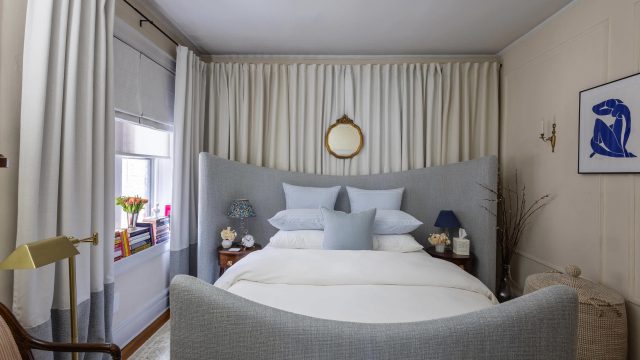
Soft architecture is a term gaining traction in the design world, characterized by fluid lines, natural materials, and a focus on creating spaces that foster emotional well-being. This approach counters the rigid, stark styles often associated with modern architecture, favoring instead a more inviting atmosphere. As we move through 2023, many homeowners and designers are embracing this trend, looking to make spaces that are not only visually appealing but also promote a sense of peace and comfort.
The Shift Toward Comfort
The idea of soft architecture stems from a collective shift towards prioritizing comfort in our living environments. In regions like Southeast Asia, particularly in urban centers such as Jakarta and Bali, architects are designing buildings with softer, more organic forms. This shift is not only aesthetic but also functional, catering to the needs of residents who seek refuge from the fast-paced urban lifestyle.
Impact of Natural Materials
Natural materials are at the forefront of this architectural movement. Designers are increasingly using wood, stone, and textiles that create warmth and harmony. For instance, homes in Bali often feature open layouts with ample natural light, blurring the lines between indoor and outdoor spaces. This approach enhances the living experience by incorporating nature into daily life.
Global Relevance and Local Adaptations
As soft architecture takes hold worldwide, it adapts to local cultures and climates. In Indonesia, for example, traditional building methods are combined with contemporary practices to create unique structures that reflect local heritage while meeting modern demands. This trend resonates particularly well in Southeast Asia, where a focus on sustainability and environmental well-being is becoming increasingly important.
Soft Architecture in Urban Living
Urban living often comes with challenges such as limited space and noise pollution. Soft architecture addresses these issues by creating adaptable spaces that promote tranquility. The integration of biophilic design elements, such as green walls and gardens, has become commonplace in newly constructed urban apartments in cities like Surabaya. These elements not only enhance aesthetic appeal but also improve air quality and reduce stress levels for residents.
Community and Connection
Soft architecture also fosters a sense of community. By designing shared spaces that encourage interaction among residents, these architectural practices promote social bonds. Whether it’s a communal garden or a cozy lounge area, soft architecture encourages connections between neighbors, transforming how people experience their living environments.
Conclusion: The Future of Living Spaces
In conclusion, soft architecture marks a significant turn in how we approach home design, particularly in the context of rapid urbanization and changing lifestyle needs. As we look ahead to 2024 and beyond, this trend emphasizes the importance of creating spaces that nurture well-being, reflect personal style, and adapt to the rhythms of modern life. For homeowners, embracing soft architecture may prove essential for crafting environments that are not only beautiful but also fundamentally livable and comforting.