

Transforming a Forgotten Space: A Nursery's Revival Story
Key Takeaways
- Transforming spaces involves merging personal sentiment with contemporary styles.
- Attention to detail can recover the beauty of overlooked rooms.
- Modern nurseries should balance functionality and aesthetics.
- Southeast Asian trends influence global nursery designs today.
- Professional help can elevate DIY renovation efforts significantly.
The Journey of Transformation
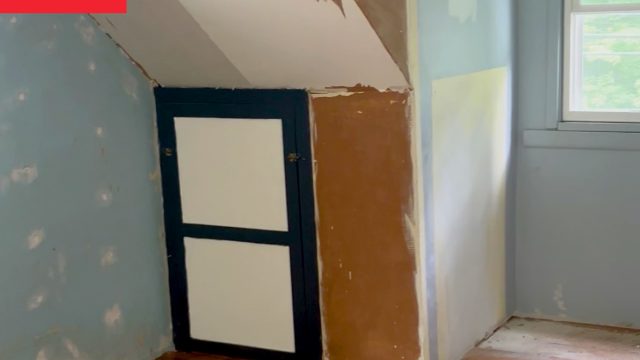
When Taylor Graves and her husband moved into their new home, they encountered a nursery that had been dormant for years. Previously serving as a college student’s guest room, the space had lost its charm and personality, buried under layers of outdated wallpaper and paint. This neglect was a stark contrast to the vibrant life that would soon fill the room with the arrival of their daughter.
Recognizing the potential hidden beneath the accumulated years of wear, the couple set out on a mission to revitalize the nursery. They aimed not only to update its appearance but also to imbue the space with nostalgia and warmth that would resonate with their family’s story.
Preserving Sentimental Value
As they embarked on this endeavor, Taylor emphasized the importance of maintaining elements that held sentimental value, while infusing the room with contemporary design principles. This balance is crucial in creating a space that feels both personal and inviting. For example, they retained a unique vintage crib that had been passed down through generations, reinforcing a sense of family heritage.
Modern Design Meets Functionality
In today's fast-paced world, functionality in nursery design cannot be overstated. The Graves examined their needs carefully, incorporating practical storage solutions and durable materials that withstand the rigors of early childhood. They chose a neutral color palette with pops of soft pastels, aligning with current design trends while ensuring the room felt expansive and airy.
Utilizing Professional Expertise
To elevate their vision, they enlisted the help of a local interior designer familiar with the latest trends in the Southeast Asian market. This partnership proved pivotal as they navigated the complexities of design elements that cater to functionality and aesthetics.
The designer introduced contemporary features such as adjustable lighting, smart storage units, and eco-friendly materials, which are becoming increasingly popular in regions like Indonesia. This approach not only enhanced the nursery’s functionality but also positioned it as a reflection of current design trends, particularly appealing for families in bustling urban areas like Jakarta, Surabaya, and Bali.
Current Trends Influencing Nursery Designs
The revival of the nursery speaks volumes about the evolving landscape of interior design, particularly in regions where traditional styles merge with modernity. Families today seek spaces that are not only practical for daily use but also visually appealing. The integration of design elements from the broader ASEAN market, including sustainable practices and local craftsmanship, has become a focal point for many homeowners.
Moreover, with the rise of social media platforms, families are increasingly sharing their design journeys, which has fostered a community focused on creativity and innovation in home spaces. This trend invites parents to explore unique concepts that might have otherwise been overlooked.
Why This Matters Now
As we reflect on the past, it's clear that every room possesses its own story. The revitalization of spaces like the Graves' nursery serves as a reminder of the importance of creating environments that honor personal history while embracing modern conveniences. In a rapidly changing world, the need for such spaces that nurture and inspire has never been more essential.
Conclusion
The nursery transformation undertaken by the Graves illustrates an inspiring journey of love and creativity. By preserving sentimental treasures and incorporating contemporary design, they have created a nurturing environment for their daughter that will undoubtedly leave a lasting impression. As more families embark on similar journeys, the narrative of blending past and present will continue to shape the future of home design, particularly across the Southeast Asian landscape.
