

Why Global Trade Strategies Matter in Today's Economy
Key Takeaways
- Global trade strategies are increasingly vital for economic stability.
- India's global position and trade dynamics have shifted significantly.
- Protectionism can hinder growth and international cooperation.
- Southeast Asia remains a key player in global trade discussions.
- Understanding local markets like Indonesia can yield significant opportunities.
The Current Landscape of Global Trade
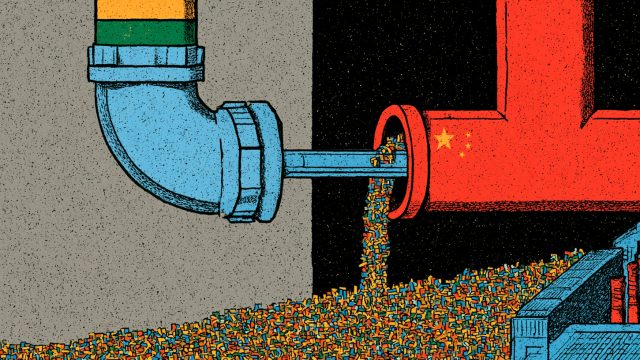
As we dive into the international trade landscape, it becomes clear that strategies and relationships between countries are more critical than ever. Recently, over 400 Chinese officials gathered in New Delhi to discuss economic cooperation and trade expansion between China and India. This gathering marks a significant increase in diplomatic engagement compared to past years, indicating a renewed focus on bilateral relations amidst shifting global dynamics.
India's role in the world economy is changing, driven by both internal reforms and external pressures. While the country has emerged as a prominent market within ASEAN, its interactions with China highlight an essential balancing act. Countries in Southeast Asia, including Indonesia, are keenly observing these developments, as they can significantly influence local markets and trade policies.
Implications for Southeast Asian Markets
The dynamic nature of Sino-Indian relations presents various implications for Southeast Asian countries. Indonesia, in particular, stands to gain from enhanced trade partnerships and the influx of investment opportunities. The Indonesian market, with its rapid economic growth, represents a vital area for foreign investors aiming to capitalize on emerging trends.
Moreover, with ASEAN's commitment to economic integration, the alignment of trade policies among member nations will further shape regional interactions. Understanding the evolving landscape is crucial for businesses aiming to thrive in this competitive environment.
Protectionism vs. Global Cooperation
Protectionist policies have historically aimed to shield local economies from foreign competition; however, current trends suggest that such strategies may be counterproductive. As countries like India reassess their trade positions, the need for cooperation rather than isolation becomes clear. The increasing complexity of global supply chains means that interdependence is not just an option but a necessity.
By fostering open trade relationships, nations can benefit from shared resources and innovation. For instance, the integration of technology in trade processes can enhance efficiency and transparency, ultimately benefiting consumers and businesses alike.
The Role of Technology in Trade
As global trade expands, technology plays a pivotal role in shaping the future of commerce. Factors such as the rise of e-commerce and digital payment systems have revolutionized how goods and services are exchanged. In regions like Southeast Asia, platforms facilitating online transactions are becoming increasingly popular, driving growth in the retail sector.
Additionally, as concepts like the digital economy gain traction, countries that embrace these changes will likely find themselves at the forefront of trade innovation. This shift will enable businesses to respond more swiftly to market demands and consumer preferences.
Conclusion: The Path Forward
As we navigate the complexities of global trade in today's economy, it is evident that collaboration and adaptive strategies will be key to success. Countries must learn from each other's experiences and work towards sustainable economic growth through open dialogue and trade partnerships.
In conclusion, as global markets continue to evolve, businesses and policymakers in Southeast Asia, particularly in Indonesia, should stay informed and agile. By understanding the implications of diplomatic relations and trade strategies, they can position themselves favorably in the global arena, unlocking new opportunities for development and prosperity.
