

Why Choosing Dark Wall Colors Might Not Be Worth It
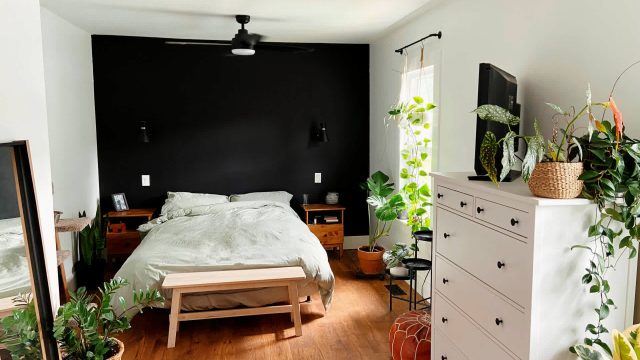
Understanding the Appeal and Risks of Dark Wall Colors
When it comes to home interiors, the choice of wall color plays a critical role in defining a space. Dark colors, particularly black, can offer an aesthetic that feels modern and sophisticated. However, after years of embracing this trend, many homeowners are questioning their decisions. The reasons behind this shift in perception are worth exploring, especially for those considering a renovation.
Key Takeaways
- Dark colors can create dramatic, elegant looks but may lead to maintenance issues.
- Lighting can significantly affect how dark paint appears in a room.
- Cleaning dark walls can be more challenging than lighter options.
- Consider how dark colors impact the overall mood of your space.
- Neutral alternatives can provide sophistication without the drawbacks of dark shades.
The Drawbacks of Dark Paint Choices
Homeowners who have chosen to paint their walls dark often report several common issues. One of the most significant problems is the challenge of maintaining cleanliness. Dust, smudges, and imperfections become more visible on dark surfaces, requiring frequent touch-ups. This can be particularly burdensome in high-traffic areas such as kitchens and living rooms.
Lighting Matters
Another crucial aspect to consider is lighting. Natural and artificial light can dramatically alter the appearance of dark walls. In regions with less daylight, such as many areas in Southeast Asia, dark walls can make spaces feel even smaller and more enclosed. Homeowners in markets like Jakarta or Bali might find themselves continually adjusting their light sources to compensate for this effect.
Impact on Mood
The psychological impact of color cannot be overstated. Dark colors can create a heavy atmosphere that may not be ideal for every room. While they might work well in a home office or den, they could lead to feelings of gloom in spaces meant for relaxation or family gatherings. This is a crucial factor for families or individuals who prioritize a warm, inviting environment.
Alternatives to Dark Colors
For those looking to achieve a sophisticated look without the commitment of dark colors, there are several appealing alternatives. Neutral tones, soft pastels, and rich jewel tones can provide a similar elegance while avoiding maintenance headaches. For instance, a deep navy or forest green can offer a touch of drama without the pitfalls of black. Additionally, these colors can brighten the space while still imparting a sense of depth.
Incorporating Color with Accessories
Another effective strategy is using dark colors in accessories and accent pieces rather than on large wall areas. Throw pillows, artwork, and decorative objects can provide bold color without the long-term implications of painting walls. This strategy allows homeowners to experiment with trends without making a permanent commitment.
Market Trends in Southeast Asia
In the Indonesian market, particularly in urban areas like Surabaya, there is a growing trend towards lighter color palettes. Homeowners are increasingly opting for colors that reflect the vibrant, tropical environment. This trend signals a shift in consumer preferences towards practicality and ease of maintenance, aligning with modern lifestyles.
Conclusion
While dark wall colors can initially enchant homeowners with their modern appeal, the realities of maintenance, lighting, and mood can lead to regret over time. Prospective home decorators should carefully weigh the pros and cons of their color choices, considering their specific living conditions and preferences. By opting for lighter alternatives or incorporating dark shades thoughtfully, individuals can create inviting, stylish spaces that stand the test of time.
