

Selecting the Perfect Shade of White for Your Home: A Comprehensive Guide
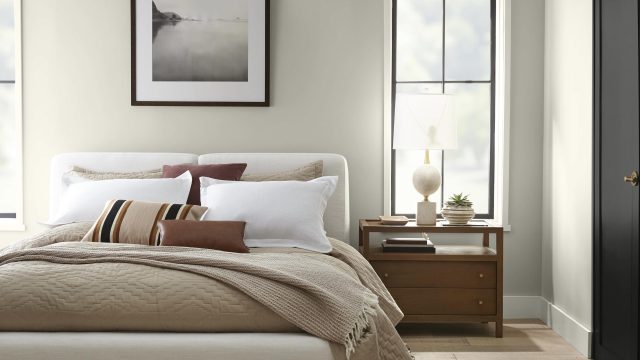
Key Takeaways
- White paint enhances natural light in any space.
- Undertones like warm, cool, or neutral affect the atmosphere.
- Consider the room's purpose when selecting a shade.
- Test samples in various lighting conditions for the best results.
- The finish of the paint can influence the overall feel.
Understanding White Paint Undertones
White paint is not just a simple choice; it's a complex decision influenced by multiple factors including lighting, room purpose, and the overall aesthetic of your home. Undertones in white paint can range from warm yellows to cooler blues. Understanding these nuances is key to achieving the perfect look. For example, a warm white can create a cozy ambiance in a living room, while a cooler white might be more suited for a modern kitchen.
Warm Whites vs. Cool Whites
Warm whites often feature yellow or beige undertones, helping to create a welcoming atmosphere. They are ideal for spaces meant for gathering, such as:
- Living rooms
- Dining areas
- Bedrooms
In contrast, cool whites may exhibit blue or gray undertones. These shades lend themselves well to:
- Bathrooms
- Modern kitchens
- Minimalist offices
Choosing the Right Finish
Another critical aspect in selecting white paint is the finish. Finishes range from matte to high gloss, affecting how light interacts with the paint and the overall feel of the room. For example, a satin or semi-gloss finish can be ideal for kitchens and bathrooms due to their ease of cleaning. On the other hand, a flat finish might work best in low-traffic areas like bedrooms, as it adds a subtle elegance without being too reflective.
Popular White Paint Brands
Several brands are known for their quality white paints. Some of the most popular options include:
- Benjamin Moore's "Chantilly Lace" - known for its clean, bright appearance.
- Sherwin-Williams' "Alabaster" - a soft, warm white perfect for various spaces.
- Behr's "Frost" - offers a cool, refreshing tone ideal for modern aesthetics.
Testing and Decision-Making
Once you have narrowed down your choices, it's time to test samples in your space. Understand that the same color can look different in various lighting conditions. It’s advisable to paint patches on the walls and observe them at different times of the day. This practical step helps you gauge how the colors change with the light.
Tips for Testing Paint Colors
Here are effective tips for testing paint colors:
- Choose multiple shades to compare directly.
- Use large samples for an accurate representation.
- Observe in both natural and artificial light.
- Consider how colors interact with furniture and decor.
Conclusion
Selecting the right shade of white paint is a vital step in crafting the perfect ambiance in your home. As trends evolve, it’s essential to stay current and informed about the best options available. With thoughtful consideration of undertones, finishes, and lighting, you can achieve a beautifully harmonious space that reflects your style.
