

Avoid These Design Pitfalls for a True 'Quiet Luxury' Aesthetic
Key Takeaways
- Less is often more when it comes to luxury design.
- Oversized furniture can overwhelm a space.
- Textures and colors should remain muted for a sophisticated look.
- Smart furniture choices enhance functionality without sacrificing style.
- Embracing minimalism can elevate your living environment.
Understanding 'Quiet Luxury'
The concept of 'quiet luxury' has gained traction among discerning homeowners and designers. Unlike flamboyant displays of wealth, this style emphasizes a refined approach to interior design that exudes elegance through simplicity. It draws attention to craftsmanship and quality rather than brand recognition. This trend is often reflected in spaces that prioritize comfort, functionality, and aesthetic harmony. In Southeast Asia, particularly in urban hubs like Jakarta and Bali, the demand for serene and sophisticated living spaces is on the rise, aligning with the global movement towards understated luxury.
The Oversized Furniture Trap
One of the most significant missteps in achieving a 'quiet luxury' aesthetic is the adoption of oversized furniture. While large pieces can create a bold statement, they often overshadow the subtle elegance that characterizes this style. Oversized sofas and chairs can consume a room, making it feel cramped rather than inviting. As designers suggest, the key is to select appropriately scaled furniture that complements the space. This approach opens up the area, allowing for better movement and a more airy feel.
Finding the Right Balance
When furnishing a space, consider these tips:
- Choose furniture that suits the scale of the room.
- Incorporate multi-functional items to maximize efficiency.
- Utilize smaller, elegant accent pieces to maintain a luxurious feel.
Color and Texture: The Unsung Heroes
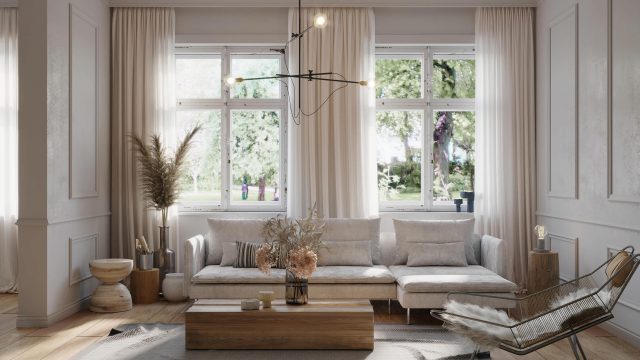
Another crucial aspect of 'quiet luxury' lies in the careful selection of color palettes and textures. Rather than opting for bold colors that demand attention, this aesthetic favors muted tones that evoke tranquility. Soft hues like taupe, cream, and pastels can create a serene environment. Additionally, layering various textures—such as soft linens, rich woods, and delicate ceramics—adds depth without overwhelming the senses.
Crafting Your Color Scheme
For an effective color scheme, consider these strategies:
- Incorporate a monochromatic palette with varying shades.
- Add accent colors through accessories rather than large furniture.
- Experiment with texture to create visual interest.
Incorporating Minimalism
Minimalism is a key component of 'quiet luxury'. It encourages the removal of excess, allowing each piece in the room to serve a purpose and contribute to the overall harmony. This design approach resonates well in the Indonesian market, where many consumers are looking for ways to streamline their living spaces while maintaining an air of sophistication.
Strategies for a Minimalist Approach
Implementing a minimalist strategy involves several practical steps:
- Prioritize quality over quantity when choosing decor.
- Maintain organized spaces with thoughtful storage solutions.
- Focus on a few statement pieces that resonate with personal style.
Conclusion
In the pursuit of a 'quiet luxury' aesthetic, understanding the importance of scale, color, texture, and minimalism is vital. By avoiding oversized furniture and embracing subtle design principles, you can create a harmonious space that reflects sophistication without ostentation. As this trend continues to flourish, particularly in regions like Southeast Asia, homeowners and designers alike are finding innovative ways to express their unique styles through understated elegance.
